
Common Bearing Installation Mistakes and How to Avoid Them
5 Common Bearing Installation Mistakes and How to Avoid Them | CPOS
Bearings fail earlier than expected. Most of the time, the bearing itself is not the problem — the installation is.
Here are 5 common mistakes we see in our own customer feedback, and how to avoid them.
1. Hitting the bearing directly with a hammer
People often hit the inner ring when mounting bearings onto a shaft. This damages the raceways and leads to premature failure. Use a press or a mounting tool. If you must use a hammer, use a sleeve to distribute the force.
2. Not checking the shaft and housing fit
Too tight, and the bearing has no internal clearance left — heat builds up. Too loose, and it creeps or spins on the shaft. Check the shaft diameter and housing bore before mounting. Use the right tolerance class.
3. Forgetting to clean the mounting surfaces
Dust, debris, or burrs on the shaft or housing can cause misalignment. Even a small particle can dent the raceway during installation. Clean the surfaces before pressing.
4. Using the wrong grease or too little
Many premature failures come from poor lubrication. Use the grease type recommended for your application, and don’t overfill — too much grease also causes overheating.
5. Mounting the bearing without checking alignment
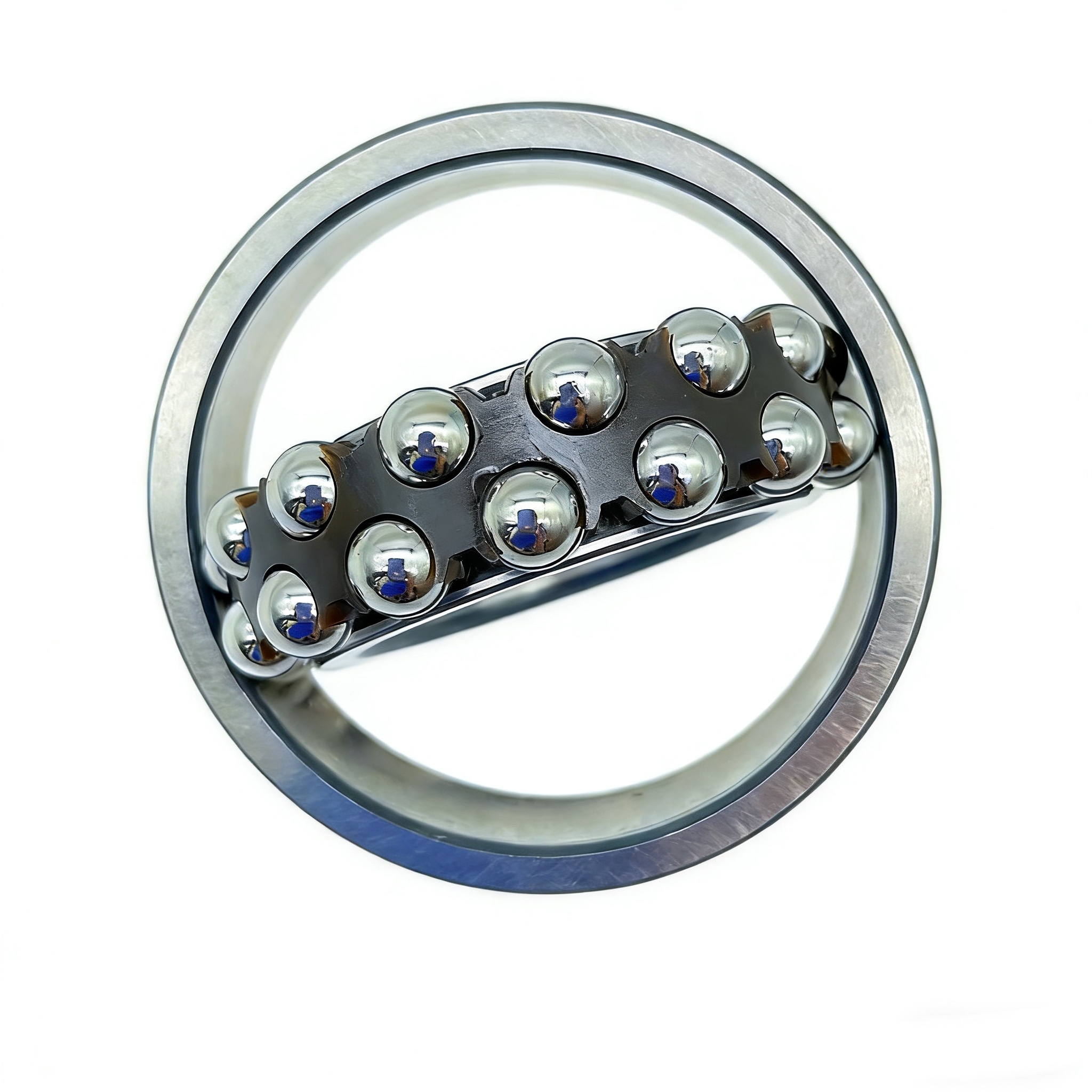
Misalignment creates uneven loading and excessive wear. Check shaft straightness and housing position before tightening bolts. If misalignment is unavoidable, use a self-aligning bearing.
One more tip: Keep the bearing in its original packaging until you’re ready to install. Contamination often starts during storage.