
Machining a Stainless Steel Round Rack – A Case Study in Problem-Solving
A deep dive into machining a 304 stainless steel round rack. We analyze the "gumming" problem, compare tool coating vs. daily grinding, and share key lessons on cost, timing, and client collaboration for precision manufacturing.
When we received the order for a 304 stainless steel round rack, we anticipated the core issue: material gumming. Stainless steel's tendency to adhere to cutting tools leads to rapid wear, poor surface finish, and tool failure.
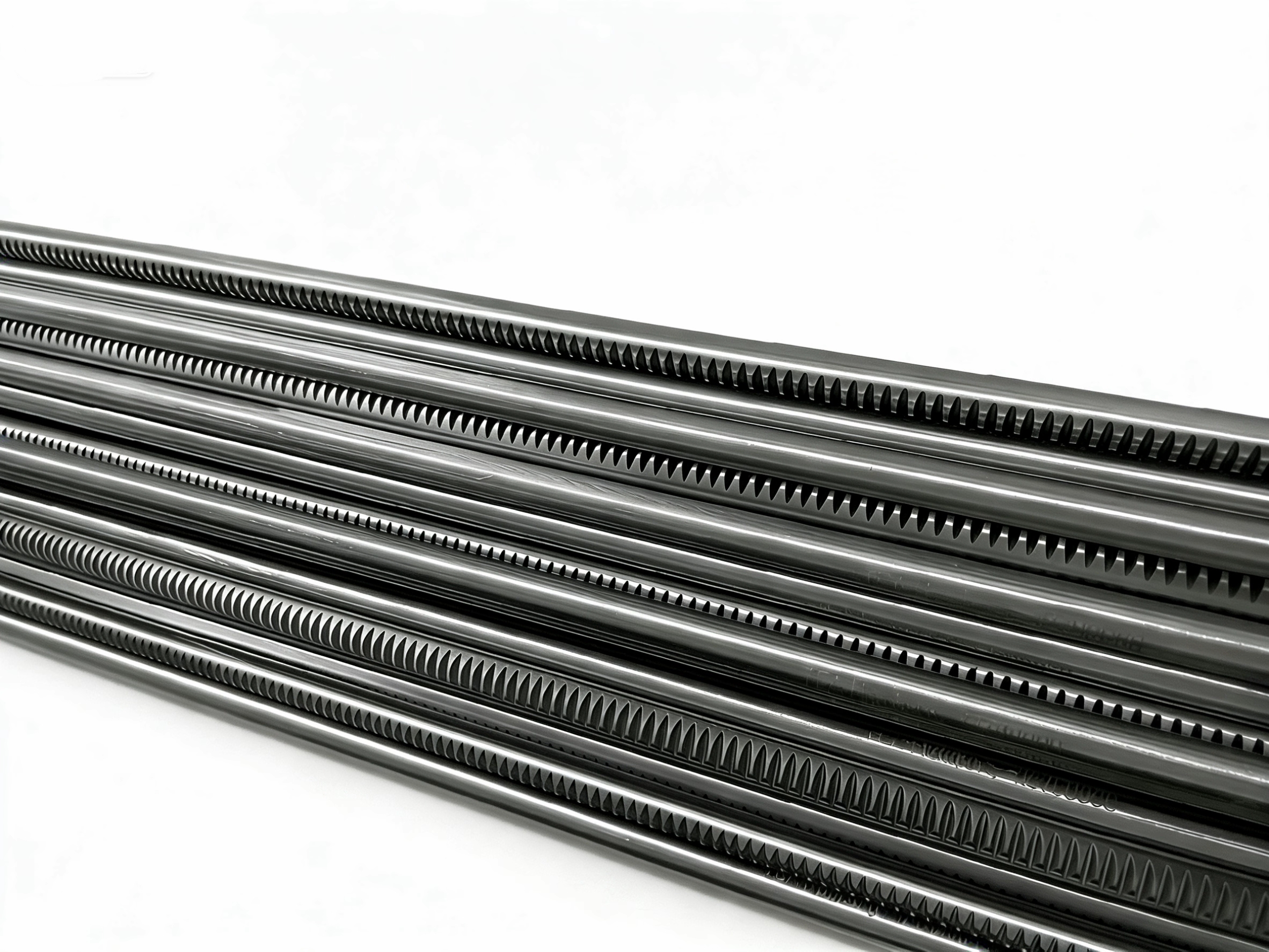
The Dilemma: Two Imperfect Solutions
We faced a tough choice between two traditional methods:
Option A: Special Tool Coatings (e.g., AlCrN). This reduces adhesion but drastically increases tool cost and lead time, making it inefficient for smaller batches.
Option B: Conventional Tools with Daily Re-grinding. This was our initial path. The reality was severe: productivity plummeted to just 2 racks per day. The two-month project ended with a worn-out, expensive tool.
The Pivot: Securing Delivery & Partnering with the Client
To ensure quality and on-time delivery, we took two critical steps:
1. Strategic Investment: We procured a high-performance tool to guarantee the final product quality.
2. Transparent Communication: We proactively discussed delivery timelines and risk-sharing with our client, turning a challenge into a collaboration for future planning.
Key Takeaways: Lessons Beyond Machining
This project taught us invaluable lessons:
1. Knowledge is an Asset: The hard-earned data on machining 304 stainless is now a core part of our technical database.
2. Price for Risk: Quotes for special materials must include a "technical risk premium" for unforeseen machining hurdles.
3. Build Partnerships: Transparency under pressure builds stronger, trust-based client relationships than a smooth, simple order ever could.
4. Invest in the Future: We are now evaluating long-term solutions like custom tooling development to build a sustainable competitive edge.